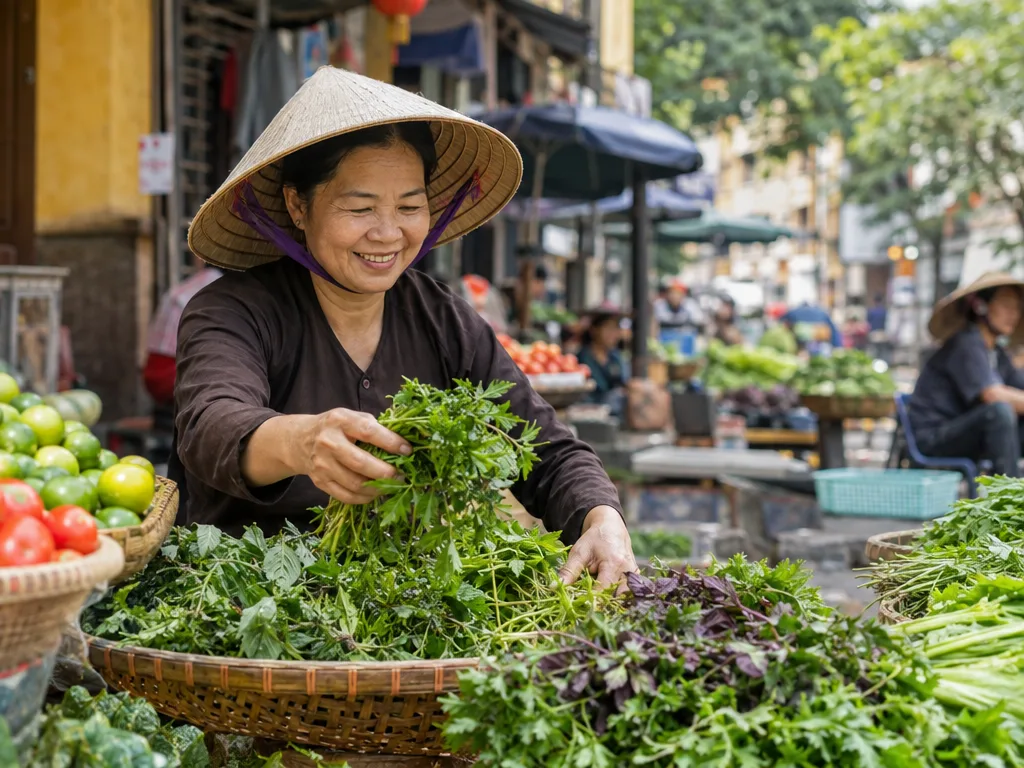
Hanoi’s food culture is not only a list of famous dishes. It is also a calendar of textures, temperatures, ingredients, and occasions. A warm bowl can feel right on a cool morning, while a lighter, herb-filled meal suits a humid afternoon. Festive foods carry wishes for prosperity, family connection, and a peaceful year. Learning this seasonal rhythm gives visitors a more meaningful way to understand Hanoi food traditions.
This guide explains how seasonal eating works in Hanoi, what kinds of dishes and ingredients to look for, and how to explore local food respectfully without treating every suggestion as a fixed rule. Menus change, households have their own habits, and the best discovery often comes from noticing what people are eating around you.
What seasonal eating means in Hanoi
Seasonal eating in Hanoi is a practical response to climate, harvests, and the pace of daily life. Food culture is shaped by what is fresh, what is comforting, and what is suitable for a particular gathering. That does not mean every family follows one official menu for each month. Instead, seasonality appears through repeated preferences: warming soups and soft snacks when the weather turns cool, fresh herbs and lighter preparations in hotter periods, and special sticky-rice or sweet dishes for celebrations.
For travellers, the important point is to read a dish in context. A bowl of noodles is not just a recipe; it may be breakfast before work, a quick lunch, an afternoon comfort food, or part of a long meal with relatives. The same ingredient can also appear in several forms, from a broth to a filling, snack, dessert, or shared side dish.
Winter in Hanoi: warm bowls, soft textures, and slow comfort
Cooler days invite food that is hot, aromatic, and satisfying. Hanoi’s official tourism guide highlights hot bánh đúc as a winter choice: a soft rice-and-tapioca cake served with savoury ingredients, fried shallots, herbs, and chilli-garlic fish sauce. Its appeal is as much about temperature and texture as flavour. It is the kind of snack that makes sense after walking outside, especially when you want something gentle rather than a large meal.
Winter is also a good time to explore soups and braised dishes. The capital’s street-food traditions include bún ốc, bún cá, and herbal chicken noodles, each showing a different balance of broth, noodles, protein, vegetables, and herbs. You do not need to try everything in one sitting. Choose one warm dish, pay attention to the accompanying greens and condiments, and notice how the meal changes when you add a little sauce or chilli.
How to enjoy winter dishes
- Start with a small portion if you are planning several tastings.
- Let very hot broth cool briefly before tasting so you can notice its seasoning.
- Ask what herbs or sauces are served alongside the dish rather than mixing everything immediately.
- Use a warm snack as a pause between longer walks, not only as a checklist item.
Summer eating: herbs, broths, and refreshing contrasts
Hot and humid weather changes the way a meal feels. Fresh herbs, crisp vegetables, sour notes, and lighter broths can make food more refreshing, while a cold drink or sweet dessert provides a different kind of relief. Hanoi’s food traditions often create contrast within one meal: soft noodles beside crunchy toppings, savoury broth with aromatic greens, or a salty dish followed by a sweet bowl of chè.
The official Hanoi food guide describes chè as a layered sweet soup that may include beans, glutinous rice elements, jelly, syrup, and coconut. Treat it as a flexible dessert family rather than one single recipe. Different shops and seasons may offer different combinations. The cultural lesson is that a meal can finish with colour, fragrance, and varied textures instead of ending as soon as the main savoury dish is cleared.
Summer is also a useful season for exploring shared dishes. Hot pot, for example, is presented in the official guide as a communal experience built around a bubbling pot, vegetables, meat, and seafood. If you join a group meal, watch how ingredients are added gradually and how people keep conversation moving while the food cooks.
Autumn and the meaning of new rice flavours
Autumn is often associated with the fragrance of young rice and the delicate flavours that accompany it. In Hanoi, green rice flakes known as cốm are widely recognised as a seasonal speciality, but the most useful way to approach them is through texture and timing. Cốm is subtle, lightly sweet, and more fragile than a heavily seasoned snack. It rewards slow tasting and careful storage rather than hurried eating.
Seasonal foods like this show why Hanoi food culture values restraint. Not every special ingredient is meant to be made louder with strong sauces. Some are appreciated because they carry a particular aroma, colour, or memory of the season. When you encounter a seasonal rice sweet or snack, ask how it is traditionally eaten and whether it is connected with a particular celebration or family custom.
Autumn is also a good time to compare everyday dishes with ceremonial ones. A simple bowl of noodles may be part of ordinary city life, while a carefully prepared rice sweet can mark a visit, gift, or seasonal moment. Both belong to food culture, but they serve different emotional purposes.
How familiar dishes change with the season
Seasonality does not always mean replacing one dish with another. It can change the way a familiar dish is enjoyed. A noodle soup may feel especially welcome when the air is cool, but the herbs and condiments around it still give the diner control over freshness and intensity. Rice dishes can be paired with different vegetables, pickles, or broths as ingredients change. Even a snack can shift from a quick bite into a social pause when shared with a friend.
This is why it helps to ask local cooks or vendors what is good today instead of arriving with a rigid list. The answer may reflect weather, supply, preparation time, or a family preference. Treat that advice as a doorway into Hanoi food culture rather than a guarantee that one item is universally best. Small seasonal adjustments are part of what keeps traditional food connected to everyday life.
Festive foods: symbolism, hospitality, and shared wishes
Celebration foods often communicate ideas that are larger than taste. Vietnam Tourism describes xôi ngũ sắc, or five-colour sticky rice, as a dish rooted in the beliefs and customs of ethnic groups in northern mountainous regions. Its five colours are associated with the five elements, and the dish expresses harmony, abundance, gratitude, hospitality, and hopes for good fortune. The source also notes that natural plants, roots, and fruits can be used to create the colours.
That example helps visitors understand a wider principle in Vietnamese food traditions: ingredients and presentation may carry social meaning. Sticky rice can feel appropriate for a gathering because it is filling and shareable, but it can also signal respect for ancestors, nature, guests, or a new beginning. The exact customs vary by region and household, so avoid assuming that one symbolic explanation applies everywhere.
How to approach festive food respectfully
- Ask whether a dish is everyday food, a gift, or part of a ceremony.
- Let the host explain symbolism instead of treating decoration as a photo prop.
- Take a modest first serving and accept more when it is offered.
- Remember that hospitality may matter as much as the recipe itself.
What markets reveal about Hanoi food traditions
A market can show seasonality more clearly than a restaurant menu. Look for changes in the colour and abundance of herbs, fruit, greens, mushrooms, rice products, and prepared snacks. You do not need to identify every ingredient. Notice what is being bought in quantity, what is being carried home, and which foods are prepared for immediate eating.
Markets also reveal the relationship between home cooking and street food. A dish sold from a small stall may use the same familiar ingredients found in household kitchens, but it is prepared for speed, portability, or a particular time of day. This is why a market visit can deepen your understanding of local food traditions even when you do not buy much.
Move slowly, keep pathways clear, and ask before photographing people or produce. If you want to taste something unfamiliar, begin with a small portion and use simple questions about ingredients. Respectful curiosity is more valuable than trying to turn every stall into a performance.
How to build a seasonal Hanoi food day
A thoughtful food day needs space. Begin with one dish suited to the morning, take a walking or coffee break, then choose a different texture for lunch. In cooler weather, include a hot soup or soft snack. In warmer weather, look for herbs, fresh vegetables, sour flavours, or a chilled dessert. If a seasonal speciality appears, make it the focus of one tasting rather than adding it to an already crowded itinerary.
- Choose one neighbourhood and avoid crossing the city for every dish.
- Plan three small food moments instead of three large meals.
- Balance familiar choices with one new ingredient or preparation.
- Leave time to sit, observe, and digest between stops.
- End with a dish that reflects the day’s season, such as a warm snack in cool weather or a sweet, refreshing dessert in heat.
This approach also makes it easier to respond to real conditions. A stall may be busy, a dish may be sold out, or your appetite may change. Flexibility is part of eating well in Hanoi.
Simple etiquette for exploring local food
Good manners begin with patience. Watch how people order, where they sit, and how dishes are shared before stepping in. Keep your first order clear, ask about ingredients when necessary, and avoid making negative judgments about unfamiliar textures or smells. If you are invited to share, wait for a natural cue and take a reasonable amount so others can enjoy the dish too.
It is also helpful to separate preference from cultural meaning. You may not enjoy every fermented, herbal, bitter, or chewy ingredient, and that is normal. A respectful response is to say that you are still learning rather than declaring the food strange. Hanoi’s food traditions are living practices, not museum displays, and they continue to change with families, neighbourhoods, and generations.
Why seasonal food makes Hanoi more memorable
Seasonal eating gives structure to a city that can otherwise feel overwhelming. Instead of asking only which famous dishes to try, you can ask what feels appropriate today, what ingredients are appearing now, and whether a food belongs to breakfast, a family table, a market, or a celebration. Those questions lead to richer encounters and more realistic expectations.
Hanoi food traditions are best understood through repetition and attention: the warmth of a winter bowl, the freshness of herbs on a hot day, the fragrance of young rice in autumn, and the symbolism of a festive sticky-rice dish. Eat with curiosity, leave room for local context, and let the season guide at least one meal.
JOIN THE CONVERSATION
Comments (0)
No comments yet. Be the first to share a thought.